

Children's Bible Class6-12 years
The Resurrection of Jesus: Joy and Hope
9 min read
A class to celebrate that Jesus lives and to learn to trust Him with joy and hope every day.
View resourcePrayer is one of the most beautiful ways we can draw near to God. Sometimes children may think that to pray they need to use difficult words, do it perfectly, or be inside a church. However, this class teaches them a simple and powerful truth: praying is talking to God .

60 Bible Lessons for Children
60 complete lessons · 477 pages · Digital PDF · US Letter size
Find more materials to keep learning and participating.
9 min read
A class to celebrate that Jesus lives and to learn to trust Him with joy and hope every day.
View resource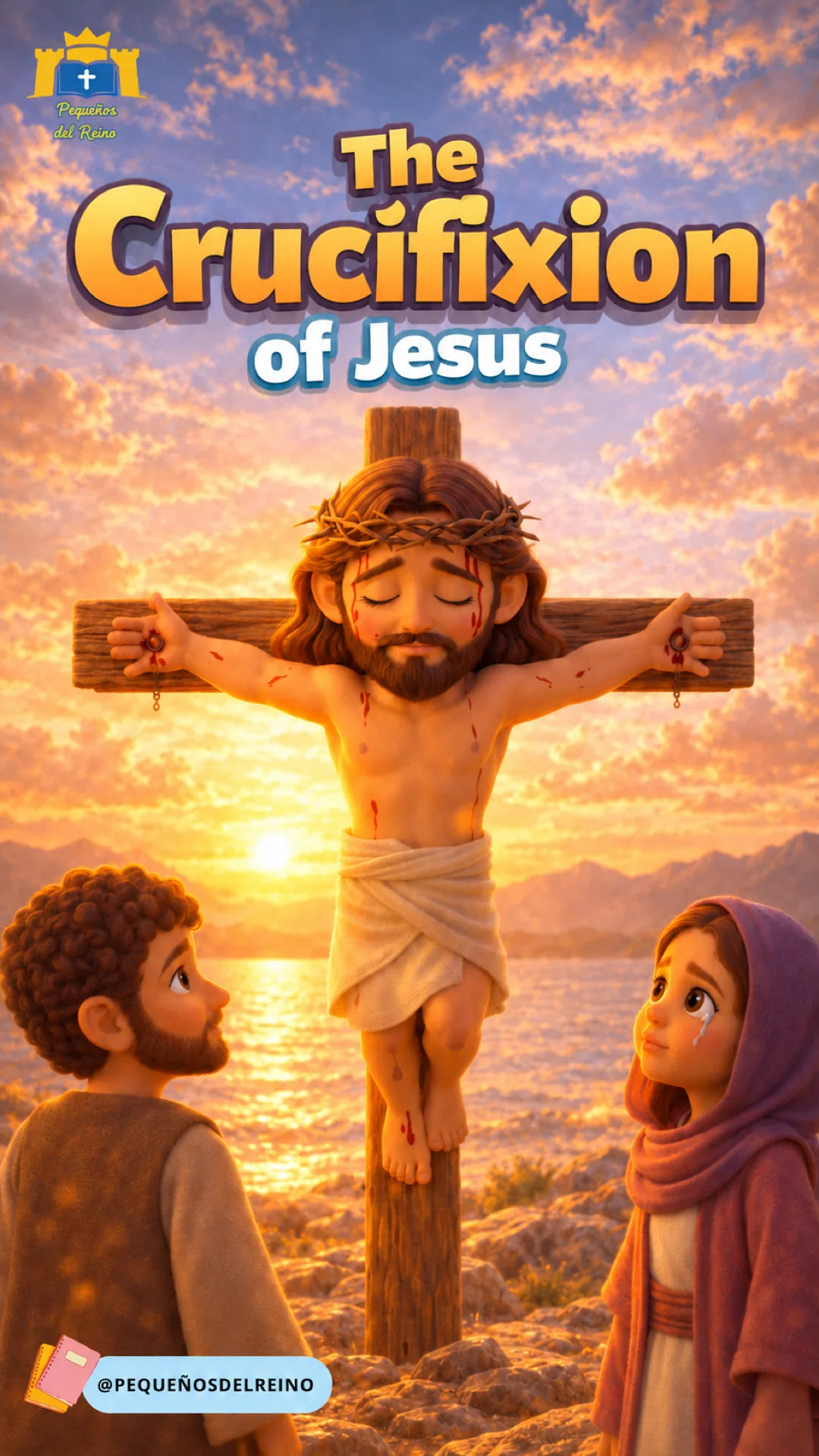
5 min read
A class to discover Jesus' love on the cross and learn to love, forgive, and share with others.
View resource
14 min read
Class based on Psalm 145:8 that teaches children that God is loving, patient, and merciful, helping them to trust Him from a young age.
View resource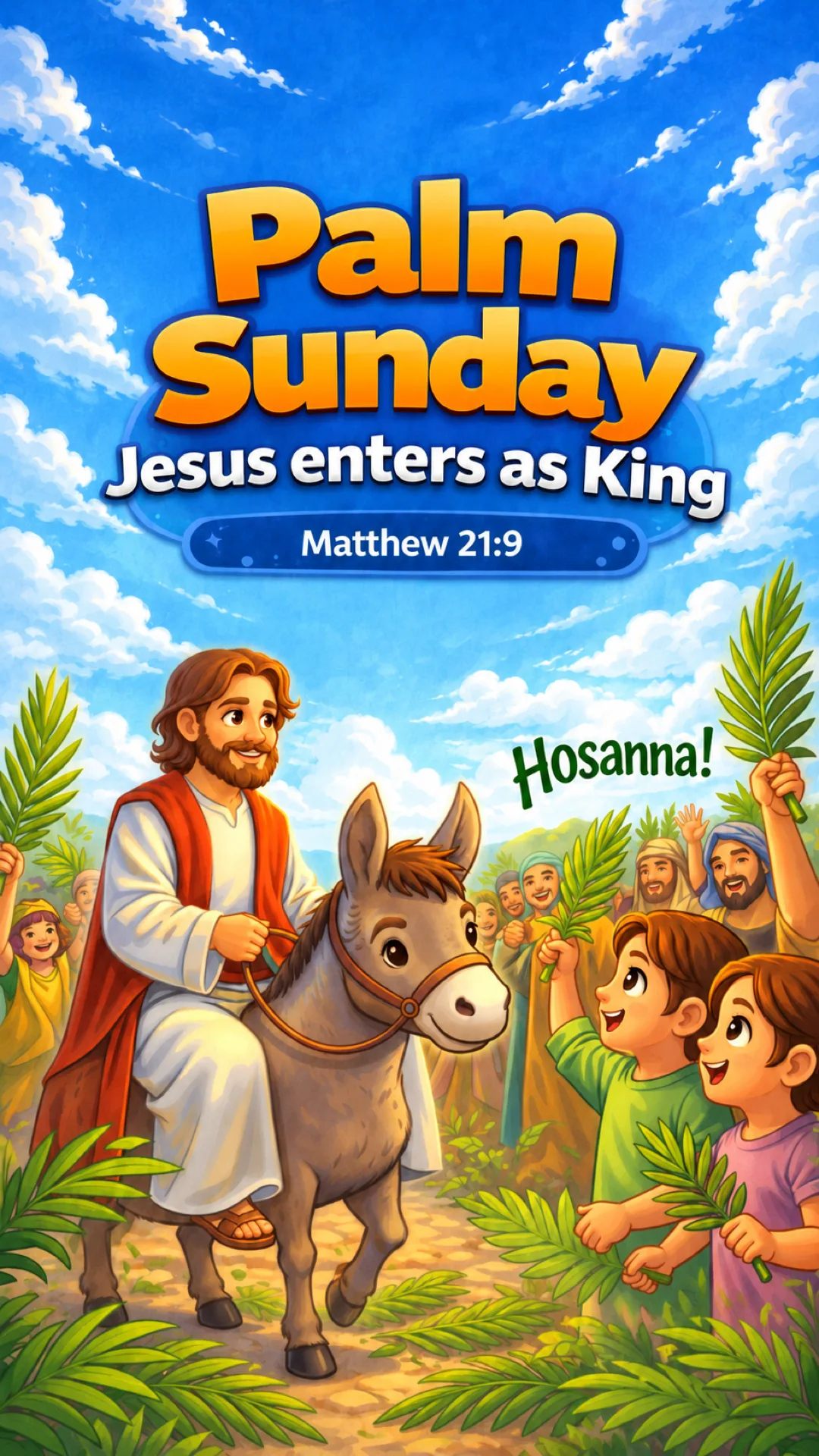
9 min read
A class to learn about Jesus' entry into Jerusalem and how to welcome Him with joy and a willing heart.
View resource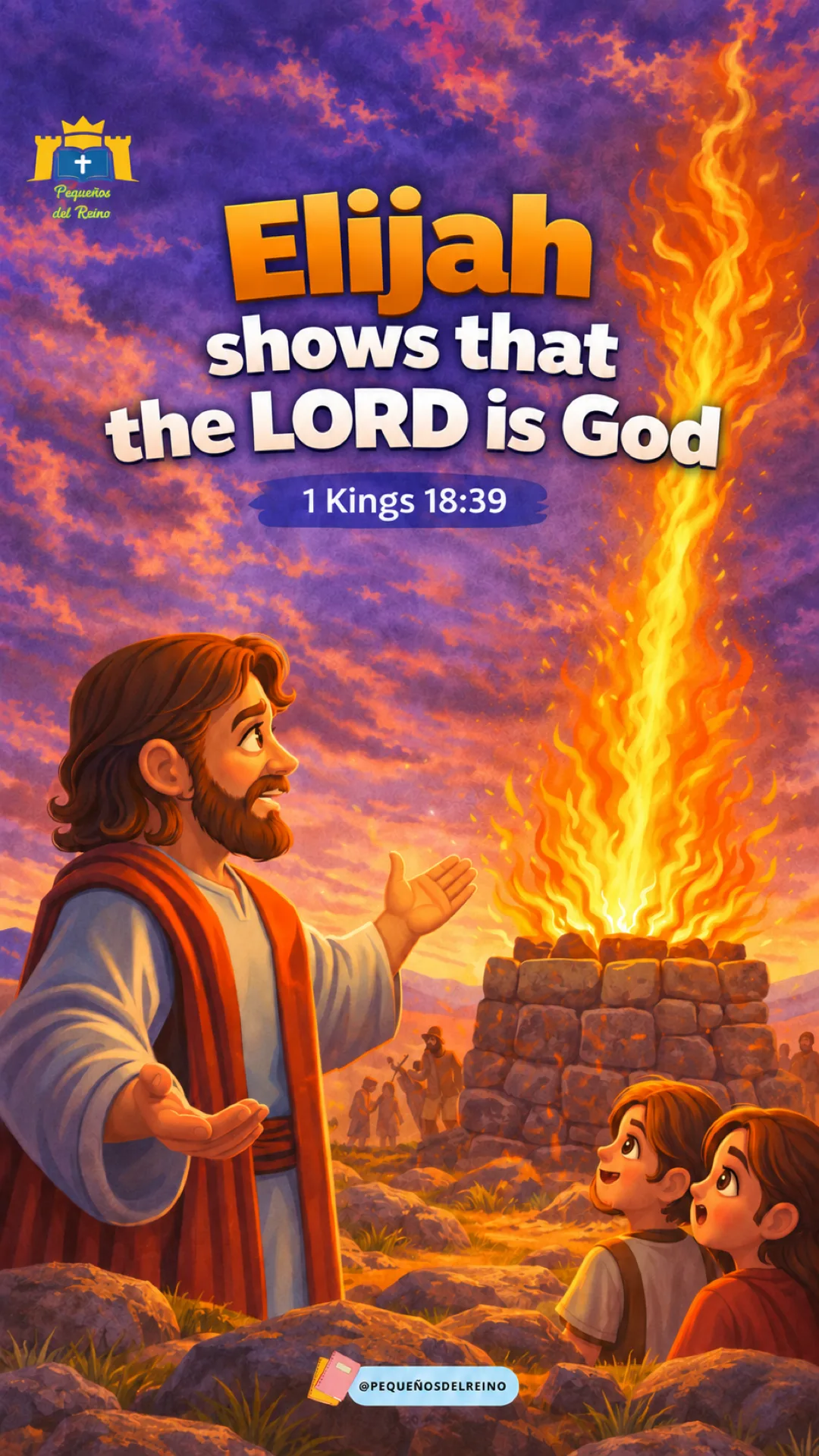
5 min read
A class about Elijah, who trusted God and showed the people who the true God is.
View resource
5 min read
A class about Solomon, who asked God for wisdom to make good decisions.
View resourcePrayer is one of the most beautiful ways we can draw near to God. Sometimes children may think that to pray they need to use difficult words, do it perfectly, or be inside a church. However, this class teaches them a simple and powerful truth:praying is talking to God.
Just as a child talks with their dad, mom, or a friend when they are happy, sad, worried, or need help, they can also talk to God at any time. God wants us to come to Him, tell Him how we feel, and trust that He listens to us.
In this lesson, children will learn thatprayer is talking to God with a sincere heart. God is not a distant God: He wants us to talk to Him every day.
Prayer allows us to:
The teaching also reminds that we do not need to make perfect or very long prayers.God looks for hearts that trust in Him.
By the end of this teaching, we want children to understand:
This verse is also the suggested text to memorize during the class.
We can explain to the children that when God says“Call to me”, He is inviting them to talk to Him, seek Him, and trust in Him.
Prayer istalking with God.
It is opening our hearts and conversing with Him as with a loving Father.
Jeremiah 33:3 teaches us that we can approach God and call out to Him. Through this teaching, children can understand four important truths:
There is not just one moment to pray.
We can do it:
A child can talk to God when they are happy, but also when they are sad, afraid, worried, or don’t know what to do.
Children need to know that their prayers are important to God.
Sometimes they may think:
“God doesn’t listen to me.”
“I have to know how to pray perfectly.”
“Prayer is only for adults.”
The teaching reminds thatGod listens to children, loves when we talk to Him, and wants us to pray.
Praying is not simply about repeating beautiful words.
We can talk to God using our own words and sincerely tell Him what is happening in our hearts.
God does not seek perfect prayers; He seeks hearts that trust in Him.
When we go through a difficult situation, we may feel that God is far away.
But we can continue talking to Him and trusting.
The class teaches children that they can talk to God like to a loving Father, pray anywhere, and trust that He listens even when they still cannot see the answer.
During this week we can encourage each child to start developing the habit of talking to God daily.
They don't need to prepare a speech.
They can start with something as simple as:
God, thank you for this day.
Then they can tell Him something that happened to them, say how they feel, ask for help with a situation, or remember someone who needs prayer.
We can also teach them to include five simple things in their prayers:
Thanks:thanking God for something.
Help:tell them about a difficulty.
Feelings:tell them how they feel.
Forgiveness:acknowledge when they did something wrong.
Others:pray for family and friends.
The purpose is not for the child to memorize a formula, but to help them understand thatthey can maintain a close relationship with God through prayer.
We can also teach them this phrase:
Both ideas are a central part of the class teaching.
After the teaching, parents and teachers can talk with the children using questions like these:
The original worksheet includes similar review questions to check that the children have understood the teaching.
A simple activity to reinforce the teaching is to prepare a craft based on the class proposal.
Give each child a colored cardboard.
Ask them to draw or write some things they want to pray for or situations in which they need God's help.
For example:
Family – school – friends – fear – sadness – joy.
Then, on the white cardboard they can write:
Finally, they can glue it onto the colored cardboard and decorate it with praying hands, hearts, rays of light, and words like:
Pray – talk to God – trust.
The activity proposed in the material aims to show children that they can bring before God everything they feel and experience.
Lord God,
thank you because You always listen to me.
Thank you because I can talk to You at any time.
Today I want to learn to pray more, to tell You what I feel, and to trust that You answer me.
Help me remember that I am never alone and that You are my Father who loves me.
In Jesus' name, amen.
This prayer corresponds to the conclusion proposed in the original class material.
Our goal should not only be for children to learn a definition of prayer, but to begin topractice it.
We can help them by praying with them in a simple way, allowing them to express themselves in their own words and reminding them that they do not need to say a long or complicated prayer.
When we teach a child to pray, we are showing them that they can seek God in happy moments, but also in their fears, questions, and difficulties.
The great lesson of this class can be summarized as follows: