Children's Bible Class6-12 years
The Resurrection of Jesus: Joy and Hope
9 min read
A class to celebrate that Jesus lives and to learn to trust Him with joy and hope every day.
View resourceHas a child ever asked you who God is? It is one of the most important questions we can answer during childhood.

60 Bible Lessons for Children
60 complete lessons · 477 pages · Digital PDF · US Letter size
Find more materials to keep learning and participating.
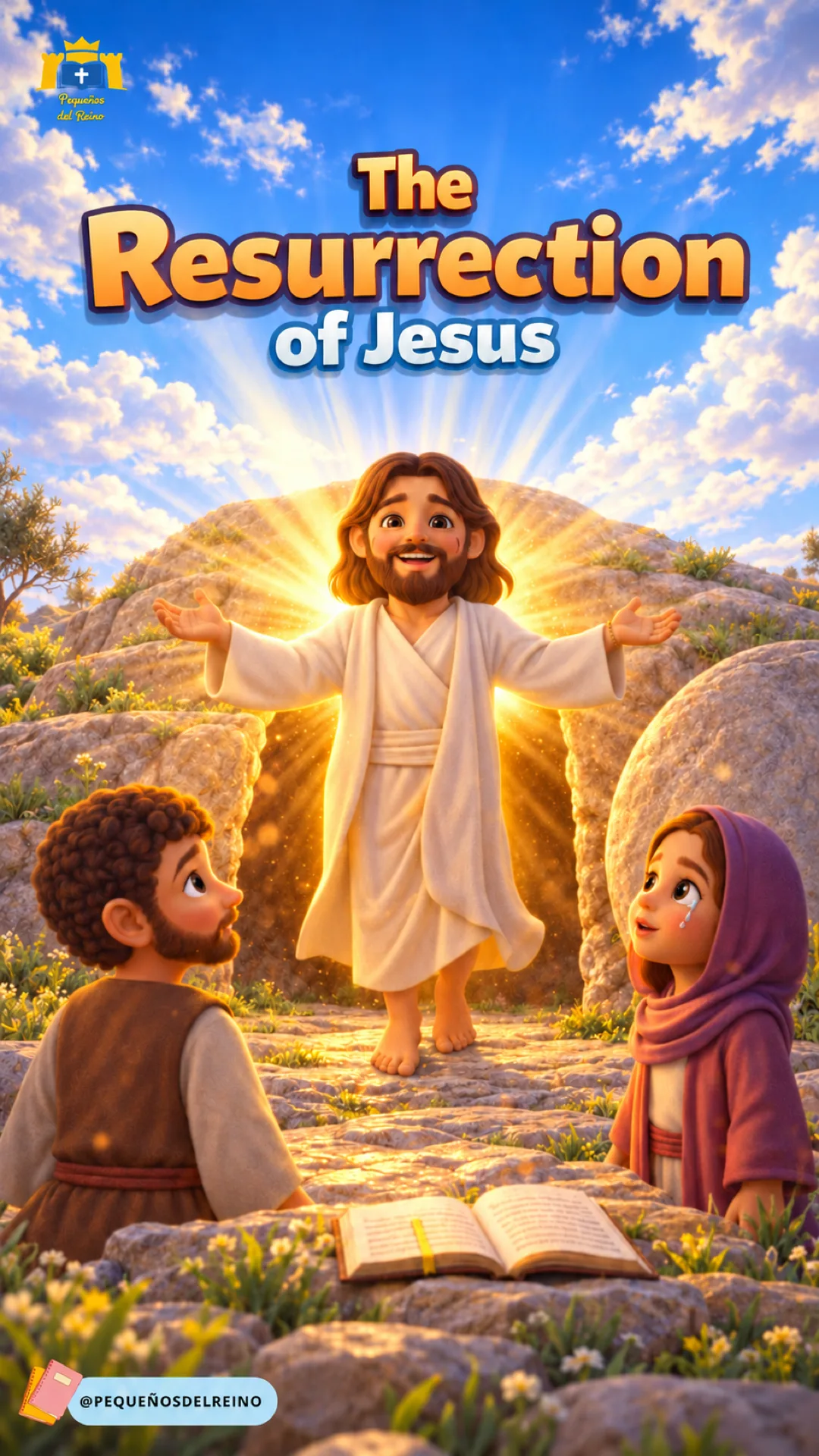
9 min read
A class to celebrate that Jesus lives and to learn to trust Him with joy and hope every day.
View resource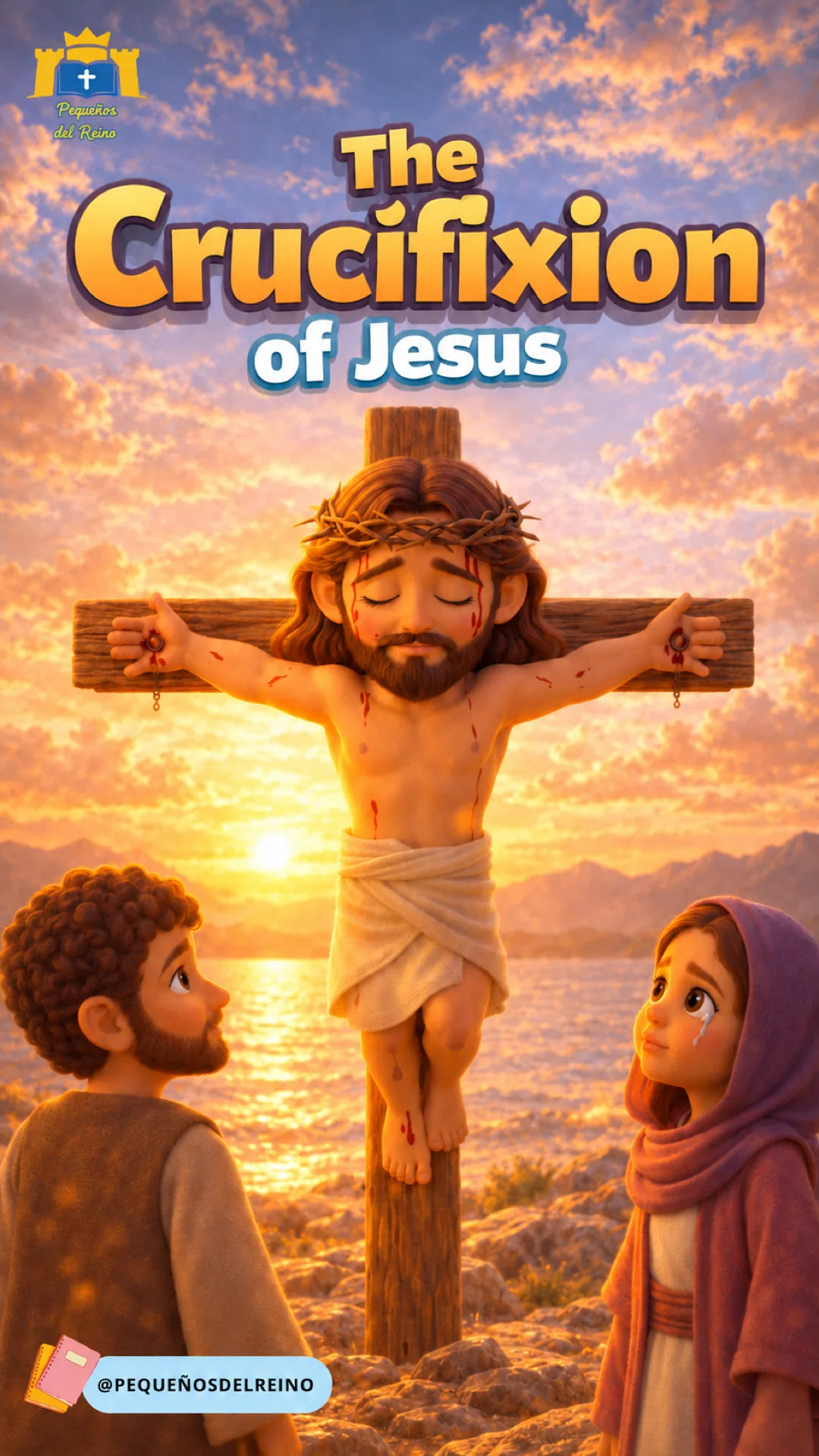
5 min read
A class to discover Jesus' love on the cross and learn to love, forgive, and share with others.
View resource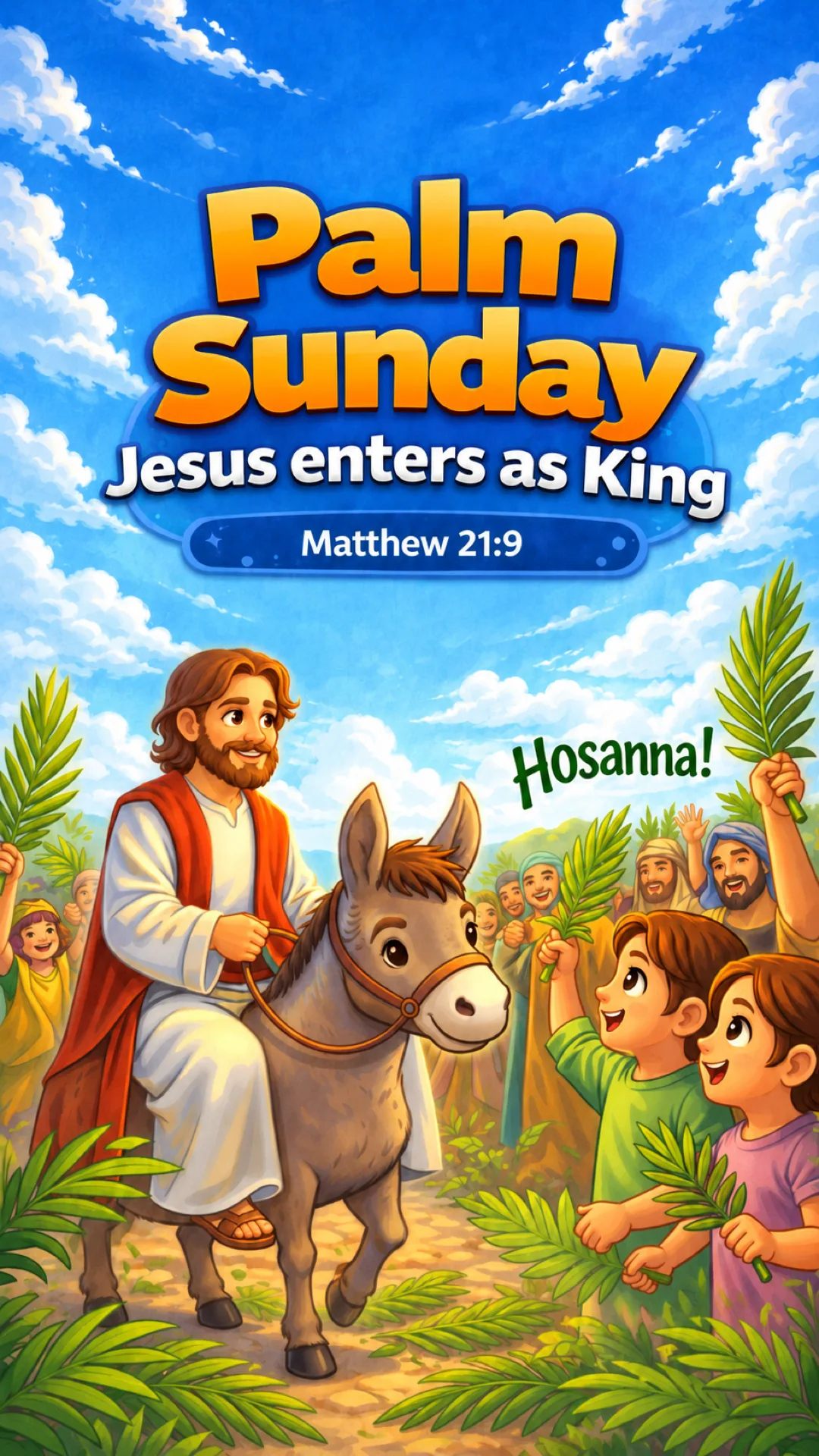
9 min read
A class to learn about Jesus' entry into Jerusalem and how to welcome Him with joy and a willing heart.
View resource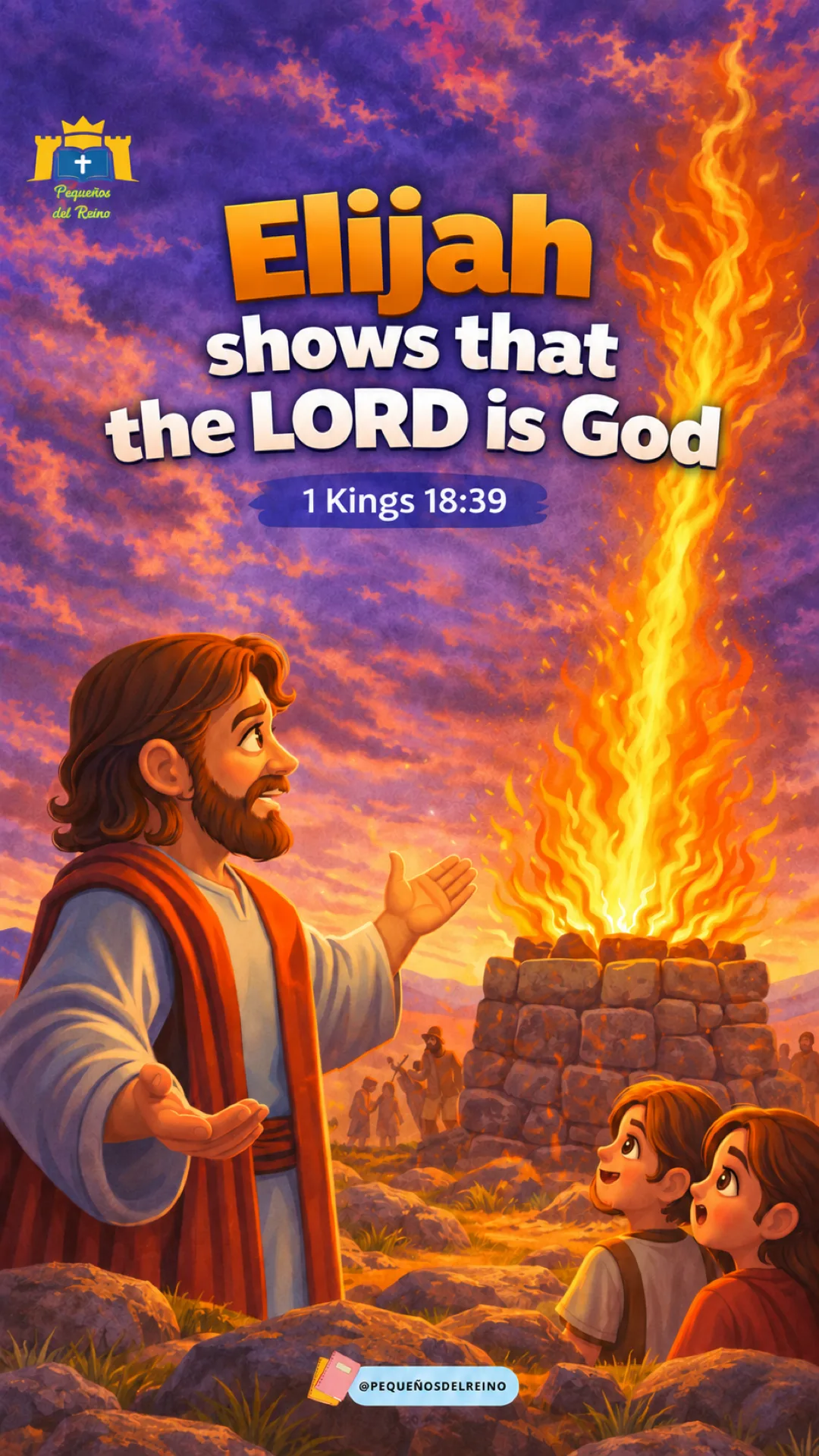
5 min read
A class about Elijah, who trusted God and showed the people who the true God is.
View resource
5 min read
A class about Solomon, who asked God for wisdom to make good decisions.
View resource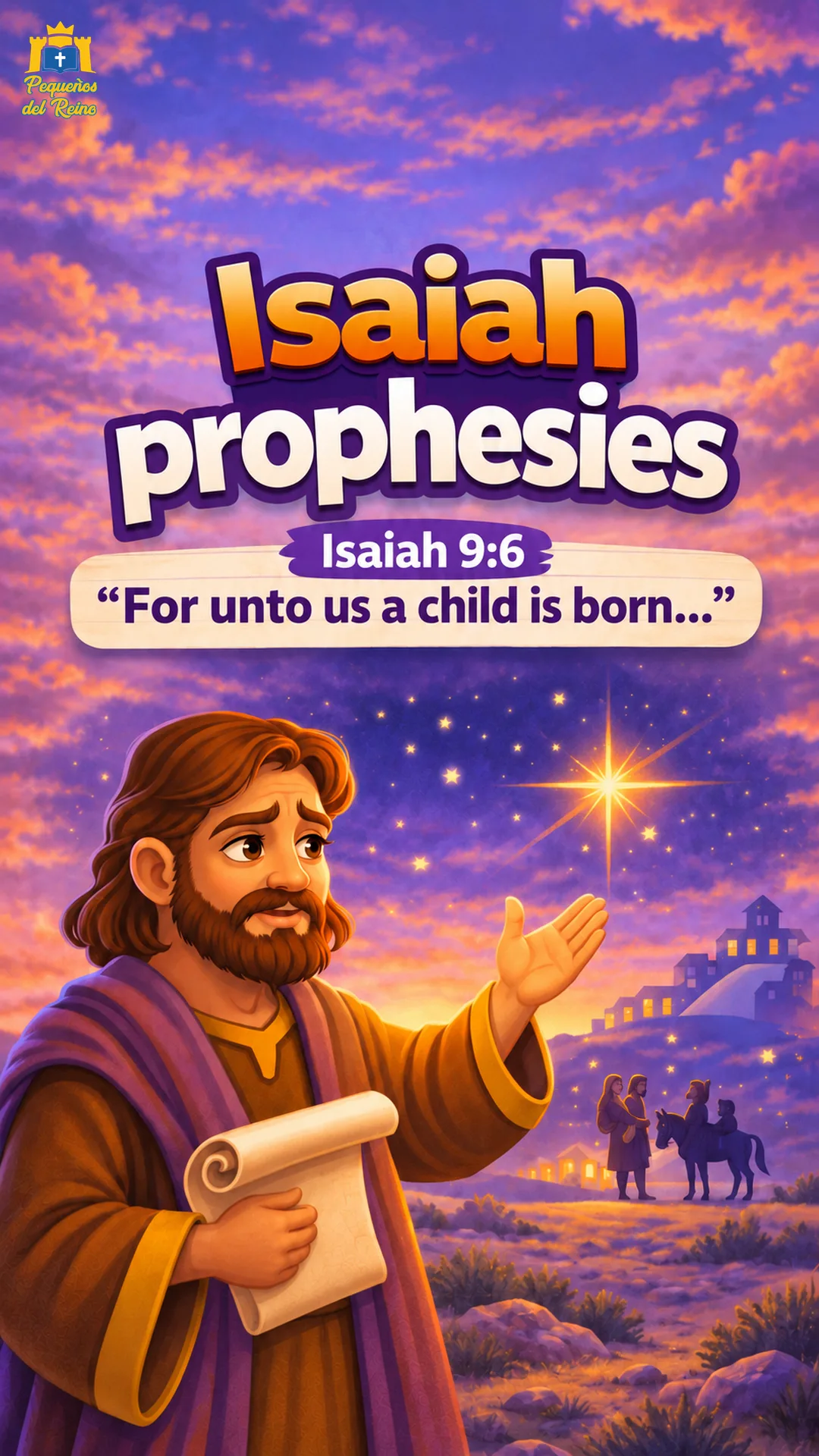
5 min read
A class about God's promise announced by Isaiah and fulfilled in Jesus, the Prince of Peace.
View resourceHas a child ever asked you who God is? It is one of the most important questions we can answer during childhood.
Some children imagine God as someone very distant, who only watches what we do. Others may think that God gets angry every time we make a mistake or that He stops listening to us when we do something wrong.
But the Bible reveals something wonderful:God is good, loving, patient, and merciful.
In Psalm 145:8 we discover that God is compassionate and slow to anger. He knows our weaknesses, listens to our prayers, and invites us to come close to His love.
This Bible class fromLittle Ones of the Kingdomis prepared to help parents, Sunday school teachers, and children's leaders teach children who God is, in a simple, close, and hopeful way.
Because when a child begins to know the true character of God, they also learn that they can trust Him.
Topic:Who is God?
Main Bible text:Psalm 145:8
Central teaching:God is loving, good, patient, merciful, and close to us.
Directed to:Children, families, Sunday school teachers, and children's ministry leaders.
Purpose:To help children know God's character and understand that they can approach Him with confidence, even when they make mistakes, feel afraid, or go through difficult times.
Through simple explanations, questions, a craft, and participatory activities, children will discover that God is not indifferent to their feelings.
He is a good Father who loves them and cares about their lives.
At the end of this teaching, we seek for children to be able to:
Understand who God is according to what the Bible teaches.
Recognize that God is good, loving, and merciful.
Understand that God is patient and slow to anger.
Discover that God is close and listens to our prayers.
Learn to trust God when they are afraid, sad, or make mistakes.
Develop the desire to know God more and walk with Him every day.
The main objective is not only for children to learn God's characteristics but to understand how much He loves them and to begin building a personal relationship with Him.
The Lord is gracious and compassionate, slow to anger and rich in love.
— Psalm 145:8
This beautiful verse is part of a psalm of praise by David.
David knew the goodness and mercy of God. That is why, when speaking of Him, he highlighted His patience and great mercy.
This passage reminds us that God is not cruel nor quick to anger. His character is full of kindness and compassion.
We can use words they can easily understand:
Merciful:God treats us with kindness and compassion.
Compassionate:God has mercy on us and is willing to forgive.
Slow to anger:God is patient. He does not get angry quickly.
Great in mercy:God's love and compassion are immense.
To help children remember the teaching, we can use a summarized phrase:
God is good and loving.
This phrase is a child-friendly adaptation of the teaching in Psalm 145:8, not a literal quote of the verse.
The Bible helps us discover what God is like and why we can trust Him.
God's love does not depend on us being perfect.
Sometimes children may think that if they behave badly or make a mistake, God will stop loving them.
However, His love does not disappear when we fail.
We can explain to them:
“Imagine that one day you make a mistake and feel very sad. Maybe you think that no one wants to listen to you. But God knows your heart and you can approach Him with confidence.”
Teaching for children:God loves me and I can approach Him.
When we talk about God's goodness, we teach that His character is good and that we can trust Him.
We can start by asking:
“How do you feel when someone smiles at you, hugs you, or treats you kindly?”
Children will probably respond that they feel happy, loved, or safe.
Then we can explain to them that God is even more good and loving than we can imagine.
Even if we don't always understand the circumstances we live through, we can remember that God is good.
Teaching for children:God is good and I can trust in His love.
Psalm 145:8 teaches us that God is slow to anger.
This does not mean that our actions don't matter, but that God is patient and merciful.
We all make mistakes. Sometimes we disobey, get angry, or say words that can hurt others.
But God invites us to recognize our mistakes and come to Him.
We can explain to them:
“If today you made a mistake, you don't need to hide from God. You can talk to Him, ask for forgiveness, and trust in His mercy.”
Teaching for children:When I make a mistake, I can approach God and ask for forgiveness.
There are children who may wonder:
“Does God really listen to me?”.
It is important to help them understand that they do not need complicated words to talk to God.
They can tell Him how they feel, what worries them, what makes them happy, and what scares them.
When a child is sad, confused, or insecure, they can remember that God is not indifferent to their life.
He invites us to come close with confidence.
Teaching for children:I can talk to God at any time because He listens to me.
God does not look for children who never make mistakes.
He wants them to draw near to His love, to learn to trust Him, and to grow in knowing His goodness.
When we teach who God is, we also help children develop a relationship based on love and trust, not just on fear of making mistakes.
Knowing God's character should also help us in our daily lives.
Therefore, this teaching can be applied both to children who already know Jesus and to those who are beginning to discover His love.
If a child has already decided to follow Jesus, it is important to remind them that God remains good and patient even when they go through difficult times.
We can encourage them to:
Talk to God when they feel sad or worried.
Ask for forgiveness when they recognize they have done something wrong.
Remember that God is merciful.
Trust in His love when you are afraid.
Seek to know God every day through prayer and His Word.
For example, if a child had a bad day at school, argued with someone, or made a mistake, we can remind them:
“God knows what happened. You can tell Him how you feel and ask Him to help you do better.”
Some children have not yet made a personal decision to follow Jesus.
This class is a beautiful opportunity to explain to them that God also loves them and wants them to know Him.
We can share that Jesus came into the world out of love and died on the cross for us.
His love invites us to approach God with confidence.
Instead of pressuring the child to make a decision, we can encourage them to get to know Jesus and talk to Him sincerely.
A simple prayer that can express this desire is:
“Jesus, I want to know You more. Help me discover Your love and walk with You.”
Parents can reinforce this lesson by taking advantage of everyday moments.
When their child is afraid, they can remind them that God is near.
When they are sad, they can accompany them in prayer.
When they make a mistake, they can teach them to recognize it and ask for forgiveness, also remembering God’s patience and mercy.
The teaching will be even more meaningful when children can see reflected the patience, kindness, and mercy of God in the way they are treated by adults.
God is good and loving.
Based on Psalm 145:8.
To help children memorize it, we can accompany each word with a movement:
God:point upwards.
Good:give a thumbs up.
Loving:place hands over the heart.
The teacher can repeat the phrase several times, first slowly and then inviting all the children to say it together with the gestures.
This way they can associate the words with the main teaching of the class.
These questions can be used during Sunday school, a children's meeting, or a family devotional.
1. What does the Bible teach us about what God is like?
Suggested answer: God is good, patient, loving, and merciful.
2. Does God stop loving us when we make mistakes?
Suggested answer: No. God is loving and merciful. We can acknowledge our mistakes, ask for forgiveness, and draw near to Him.
3. What can we do when we feel sad or afraid?
Suggested answer: We can talk to God through prayer and trust that He listens to us.
4. What does it mean that God is slow to anger?
Suggested answer: That God is patient and does not get angry quickly.
5. How can we remember God's goodness during the week?
Suggested answer: By praying, remembering what the Bible teaches, trusting in His love, and treating others with kindness.
It is recommended to allow children to respond in their own words before sharing the suggested answers.
This craft will help children visually remember that God's goodness and love are present even when we experience difficult feelings.
A white poster board.
A poster board in light blue, green, or yellow.
Scissors.
Glue.
Markers, pencils, or crayons.
Glitter or decorative stickers (optional).
Step 1. Expressing our feelings
Give each child a colored poster board.
Invite them to draw or write about some situations that make them feel sad, scared, or insecure.
For example: making mistakes, feeling lonely, when someone gets angry, or when they do something wrong.
Allow them to participate freely, without forcing them to share personal experiences.
Step 2. Remembering what God is like
Give a white poster board and ask them to write on it:
God is good and full of love.
Below you can add the Bible reference: Psalm 145:8.
Step 3. Represent God's love
The children will glue the white cardboard onto the colored cardboard.
Explain that this gesture represents how God's goodness and love accompany us amid difficulties.
Step 4. Decorate the craft
Invite them to decorate their work with hearts, flowers, suns, or drawings that represent God's love, patience, and kindness.
While they work, we can remind them:
When we know who God is, we understand that He loves us, cares for us, and we can approach Him with confidence.
The children can take the craft home to remember the lesson throughout the week.
If we want to add movement and participation, we can play the original class game.
Divide the children into two teams and prepare two boxes.
The first will be namedThis is how I feeland will contain cards with words like sad, angry, confused, afraid, I made a mistake, and I am alone.
The second box will be namedGod is...and will be empty.
Taking turns, each child will run to pick up a card from the first box, return to their team, and read how they feel.
Then they will say out loud:
“God is good and loves me.”
Finally, they will place the card in the second box.
The lesson of the game is that we can bring our emotions and worries to God because He is good, patient, and close.
To finish, we can also use a word search with words related to the lesson:
GOD, LOVE, PATIENCE, MERCY, GOOD, CLOSE, FATHER, FORGIVES, CARES, and LISTENS.
This activity helps reinforce the class concepts while the children have fun.
Lord God,
Thank you because You are good and loving.
Thank you because You are patient with me and never tire of loving me.
Help me to know You more each day and to trust in Your great love.
When I am afraid, remind me that You are near.
When I make mistakes, help me to recognize my errors and to come closer to You.
I want to walk with You and always remember that You are a good God.
In Jesus' name.
Amen.
Teaching children who God is goes far beyond explaining a biblical concept to them.
It is helping them discover that there is a good, patient, and merciful God who cares deeply about their lives.
Through Psalm 145:8 we learn that patience and mercy are part of His character.
Therefore, when children go through difficult times or make mistakes, we can remind them that they do not need to distance themselves from God out of fear.
They can approach Him, speak to Him sincerely, and trust in His love.
As parents, teachers, and children's leaders, we have the beautiful responsibility of conveying this truth with our words, but also with our example.
May every child grow up remembering this simple and powerful teaching:
God is good, God is loving, and I can trust Him.
InLittle Ones of the Kingdom, we wish to accompany families and teachers in the beautiful mission of sowing the Word of God in the hearts of the little ones.