

Ezekiel saw a river that healed everything 🌊✨
9 min read
Ezekiel saw in a vision a river flowing from the temple that brought life wherever it went. This passage invites us to trust in God's restorative power.
Read storyIn the vision of the valley of dry bones, God showed Ezekiel His promise to restore Israel. A story to discuss with family about hope and trust in His…
Explore more biblical characters or continue with a related Bible class.
Meet more Bible characters and discover what their stories teach us.
9 min read
Ezekiel saw in a vision a river flowing from the temple that brought life wherever it went. This passage invites us to trust in God's restorative power.
Read story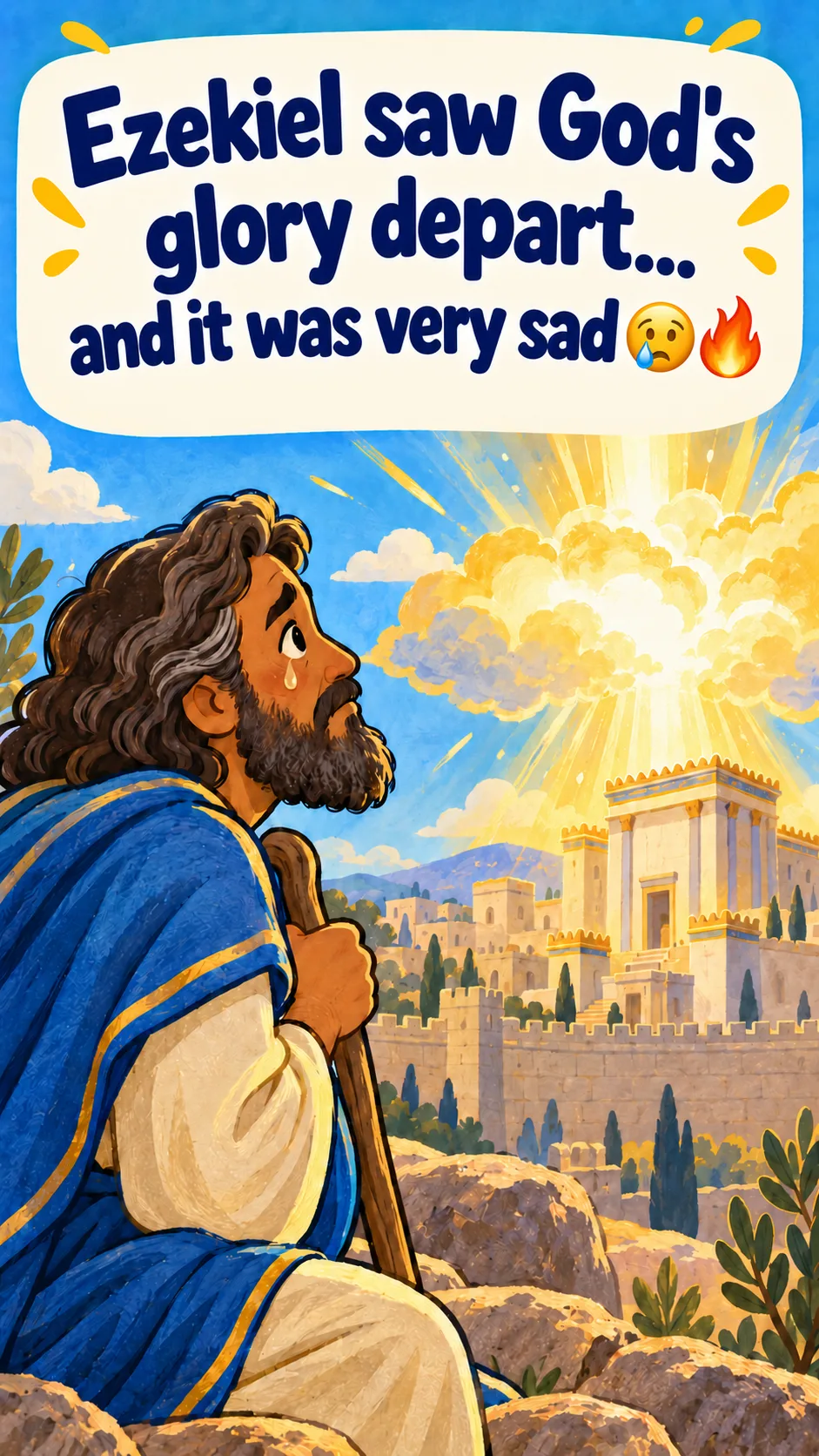
17 min read
Ezekiel saw in a vision the glory of God departing from the temple. His story invites us to return to the Lord with a sincere heart and reminds us of His promise of restoration.
Read story
21 min read
Ezekiel, exiled by the Kebar River, saw the likeness of the glory of God and fell face down on the ground. His encounter encourages us to seek God and listen to His voice even far from home.
Read story
11 min read
God called Ezekiel to warn Israel as a watchman. His mission teaches us to care for others with truth, humility, and love.
Read story
14 min read
God called Ezekiel while he lived among the exiles by the Chebar River. His story encourages us to listen to and share God's word even in difficult times.
Read story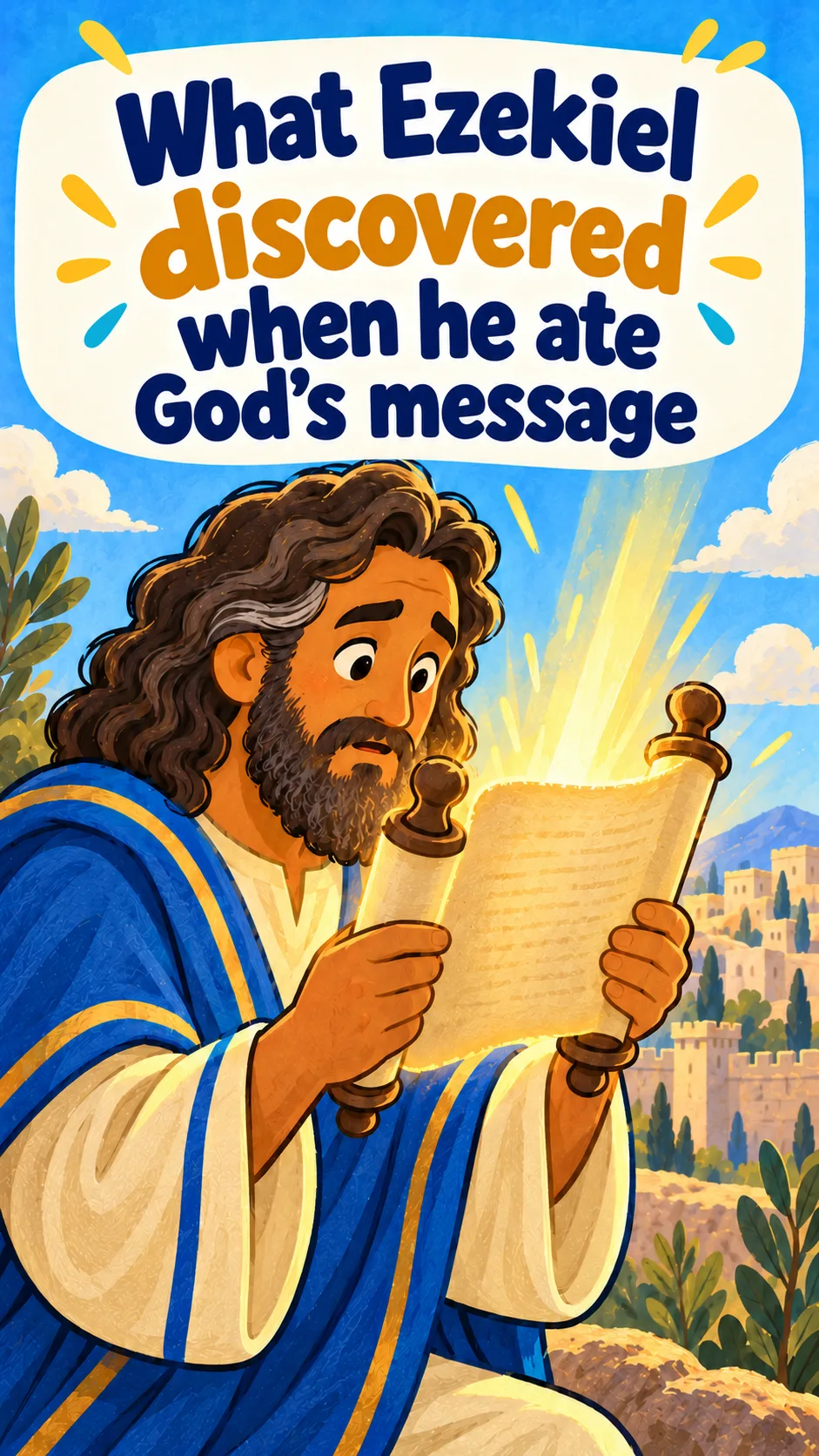
22 min read
God asked Ezekiel to eat a scroll before speaking to Israel. Discover why it was sweet as honey and how to receive His Word as a family.
Read storyCan there be hope when everything seems lost? The vision Ezekiel received answers that question with an unforgettable image: a valley full of very dry bones and God's word announcing life. This story appears in Ezekiel 37:1-14.
Ezekiel was a priest and prophet who lived among the Israelites taken into exile. God spoke to him during a difficult time for His people. The vision of the dry bones did not arise from an imaginary problem: Israel said their hope had perished. God responded with a promise of restoration.
Ezekiel, son of Buzi, was a priest and received God's word among the exiles by the Kebar River (Ezekiel 1:1-3). His book gathers messages and visions directed to a people who had suffered judgment, loss of their land, and exile. In the vision of chapter 37, the prophet listens and communicates what God commands; the power to give life belongs to God.
God took Ezekiel in a vision to a valley covered with bones. There were very many and they were very dry. Then He asked if they could live. The prophet humbly answered, "Sovereign Lord, you alone know" (Ezekiel 37:3). He did not pretend to have a solution that was not in his hands.
God commanded him to speak to the bones. Ezekiel obeyed. The bones came together, tendons, flesh, and skin appeared, but there was still no breath in them (Ezekiel 37:7-8). The scene teaches that appearing complete on the outside is not the same as having life.
Then God commanded him to speak to the spirit or breath. Ezekiel obeyed again, and those bodies received life and stood up like a very large army (Ezekiel 37:9-10). The account does not present Ezekiel as the owner of that power. It shows God fulfilling His word.
The passage itself explains its meaning. God said the bones represented the house of Israel, which felt powerless and hopeless. He promised to put His Spirit in them and bring them back to their land (Ezekiel 37:11-14). This is the main meaning of the vision. For a family today, the story also invites turning to God when hope falters, without turning it into a promise that all personal difficulties will disappear immediately.
• Ezekiel sees a valley full of very dry bones: the scene portrays despair (Ezekiel 37:1-2).
• God asks if they can live: the prophet acknowledges that the answer is in God's hands (37:3).
• Ezekiel proclaims the received word: the bones come together and are covered, although they still lack breath (37:4-8).
• God gives the breath of life: the bodies rise (37:9-10).
• God explains the vision: He speaks to Israel about His Spirit and restoration (37:11-14).
1. We can be honest about what we do not know. Ezekiel did not deny the seriousness of what he saw. His response encourages us to pray honestly when a situation overwhelms us.
2. Listening to and obeying God's word matters. The prophet spoke exactly as God instructed him, even in front of a valley where nothing seemed possible. At home, we can read the passage together and ask what it really says before rushing to apply it.
3. Biblical hope rests in God. Ezekiel did not create life or resolve the exile by himself. The vision directs attention to God's faithfulness and Spirit. We can ask for help, accompany those who suffer, and wait without demanding instant results.
Ezekiel lived with an exiled people. He heard the lament of those who said their hope was gone. The text of this vision does not narrate a mistake of his that we should invent. It does show the challenge of conveying a message of hope to people who saw their situation as irreversible.
• If a child is discouraged, listen to them first. Then read Ezekiel 37:1-14 and talk about the difference between what the people saw and what God promised.
• If parents are going through a difficulty, they can pray together without pretending they already know the outcome.
• Teachers can ask which part of the story is vision, what it means according to the text itself, and what we can learn about God.
• As a family, choose a concrete way to accompany someone who feels hopeless: listen, help, and stay present.
Ezekiel was a prophet who listened to God's messages. One day he saw in a vision a valley full of dry bones. God asked him to speak His words, and the bones came together. Then God gave them breath and they stood up. God used that vision to tell His people that He had not forgotten them. When we are sad, we can talk to God and ask for help from people who love us.
Ezekiel 37:3 — Ezekiel acknowledges that God knows if the bones will live.
Ezekiel 37:7-8 — The bones come together, but still lack breath.
Ezekiel 37:10 — God gives life and the bodies rise.
Ezekiel 37:11 — God identifies the bones with the house of Israel and their loss of hope.
Ezekiel 37:14 — God promises to put His Spirit in His people.
1. What did Ezekiel see in the valley?
2. How did he respond when God asked if the bones could live?
3. What was missing after the flesh and skin appeared?
4. Who did the bones represent according to God?
5. What can we do this week for someone who feels discouraged?
God listens to His people even when it seems that hope has dried up.
Lord, thank You for listening to Your people in the midst of exile. Help us to speak to You honestly when we are sad, to listen to Your word, and to support one another with love. Amen.
Who was Ezekiel in the Bible? He was a priest and prophet who received messages from God while living among the exiles of Israel, by the Kebar River (Ezekiel 1:1-3).
Where does the vision of the dry bones appear? It is found in Ezekiel 37:1-14. The text narrates what the prophet saw and then explains what it meant for Israel.
What did the dry bones represent? God said they represented the house of Israel, expressing that their hope had perished (Ezekiel 37:11).
Why did the bodies need breath? After the bones were gathered and flesh and skin appeared, there was still no life in them. The breath comes by God's command in the vision (Ezekiel 37:8-10).
What can we learn today? We can bring our despair to God, listen to His word, and care for those who suffer. The passage first speaks of the restoration of Israel; it does not guarantee that all our circumstances will change immediately.
Ezekiel communicated to a discouraged people the vision of a God who had not finished speaking to them. The valley of dry bones reminds us that biblical hope is born from the word and the Spirit of God. Keep exploring the Bible as a family and discover what each passage teaches in its own context.